
Lawton, a Yale-trained surgeon with over 25 years of experience, asserts that rapid recovery should be achieved through refined surgical precision rather than by abandoning muscle coverage. While corporate campaigns often highlight "awake" procedures and shorter downtime, Lawton warns that patients are being sold an anatomically simplistic approach. He emphasizes that implant technology and placement are distinct variables; a new shell surface does not negate the biological requirements of tissue thickness or the mechanical loading of the chest wall.
In section Releases
Dr. Gary Lawton Challenges Rise of Subglandular Breast Augmentation
As national cosmetic surgery chains push subglandular breast augmentation through aggressive marketing, San Antonio surgeon Dr. Gary Lawton is sounding the alarm. He argues that rebranding decades-old surgical techniques with new implant technology ignores critical anatomical evidence and risks long-term patient health for the sake of temporary convenience.
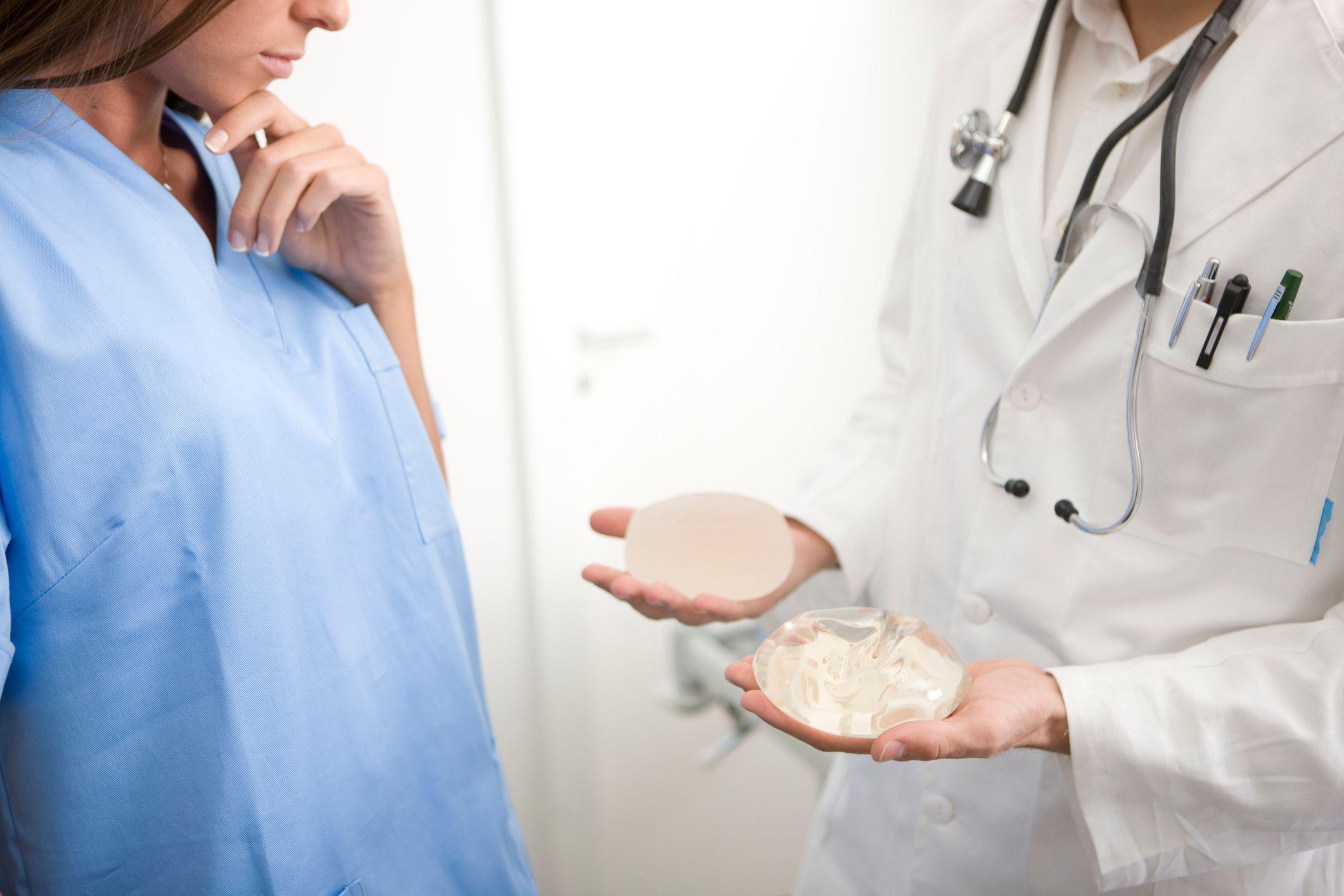
The clinical stakes are measurable. Data indicates that capsular contracture rates sit at 6.85% for subglandular placement, compared to just 1.99% for dual-plane procedures. Muscle coverage provides a critical layer of living tissue that masks implant edges and minimizes rippling, particularly in patients with limited natural coverage. Lawton contends that while dual-plane surgery is technically more demanding, the solution is for surgeons to elevate their skill sets rather than revert to methods from sixty years ago. His practice focuses on endoscopic transaxillary techniques that prioritize long-term anatomical integrity over the industry's recent push for quick-turnover procedures.
Comments (0)
No comments yet. Be the first!