
Traditional obedience training often hits a wall when a dog is too overwhelmed by reactivity to listen to commands. Brian Manning, of Canine Behavioral Services Inc., suggests that reactive dogs frequently act out because they feel unsafe or socially disconnected. By placing these dogs in a structured pack environment, trainers allow them to observe stable peers who remain unfazed by noises, movement, or environmental shifts. This process relies on natural imitation rather than force, as the reactive animal begins to mirror the calm posture and neutral social signals of the group.
In section Releases
Canine Mentorship: How Stable Dogs Help Reactive Peers Find Balance
Dogs are instinctive mimics that often struggle to process verbal commands when anxiety takes over. According to certified trainer Brian Manning, the most effective path to behavioral rehabilitation lies not in human-led correction, but in the silent, steady influence of calm pack members who model emotional stability.
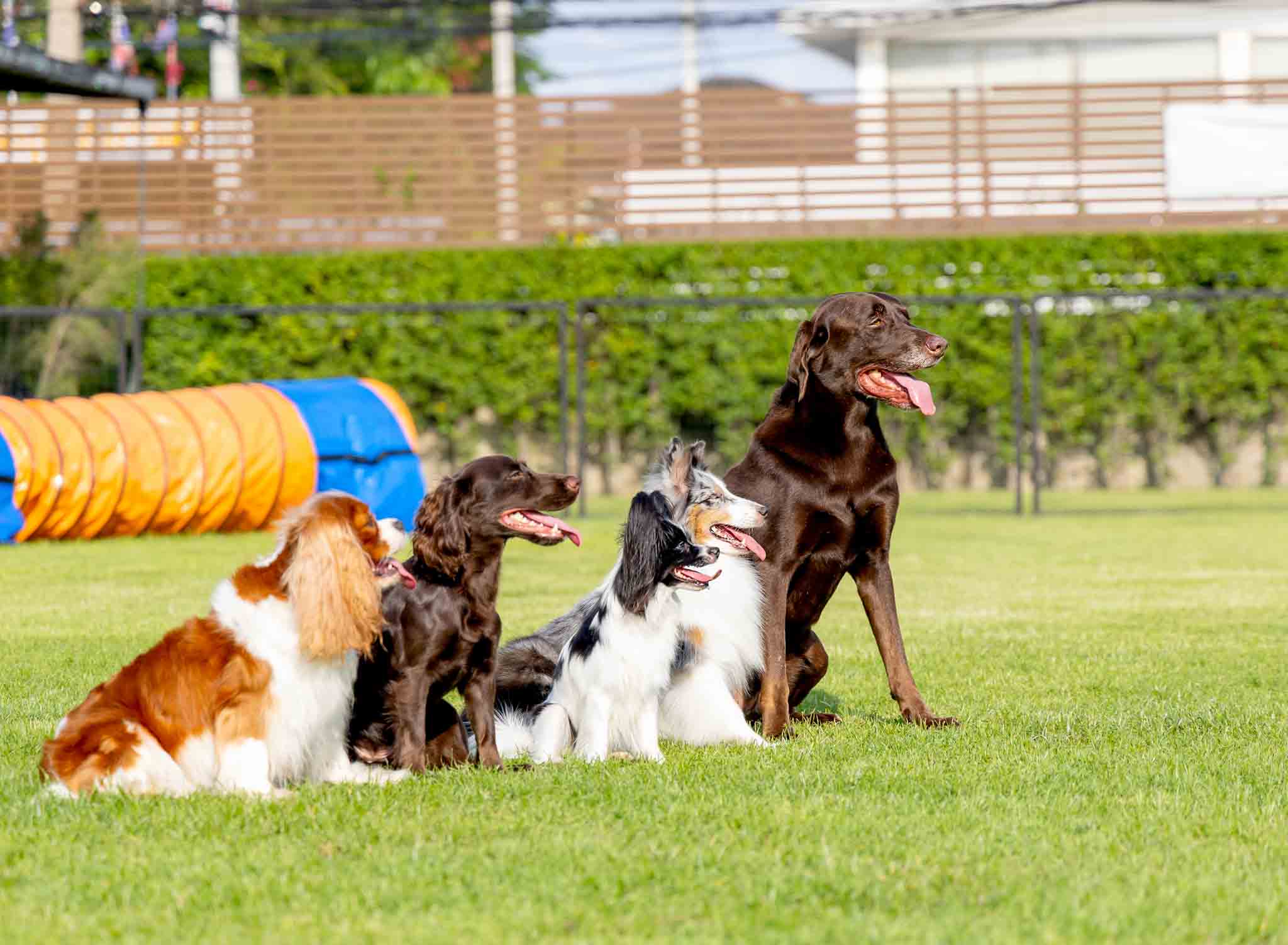
This method emphasizes the importance of social cues over dominance hierarchies. When a dog learns to interpret healthy signals—such as knowing when to play or when to provide space—it gains a clearer understanding of its surroundings. Structured activities, like group walks, further reinforce this by shifting the dog's focus from potential triggers to the collective rhythm of the pack. Because this learning happens voluntarily, the resulting behavior change is often more sustainable, rooted in a regained sense of security and belonging rather than fear-based compliance.
Comments (0)
No comments yet. Be the first!