
Selig rejected claims that perpetual futures bypass legal definitions because they lack fixed expiration dates. He noted that neither the Commodity Exchange Act nor existing commission regulations mandate a specific delivery date, emphasizing that historical court interpretations provide sufficient legal standing for these instruments. Regarding leverage, the chair dismissed allegations that the agency’s recent approval of the BTCPERP contract would permit 250x leverage for U.S. traders. He maintained that regulated perpetual products remain bound by the same domestic leverage restrictions as traditional futures, attributing extreme risk profiles to offshore venues rather than the contract structure itself.
In section Cryptocurrency
CFTC Chair Defends Perpetual Futures Oversight
Addressing a wave of skepticism regarding digital asset regulation, CFTC Chair Michael Selig has pushed back against critics questioning the legal and structural integrity of perpetual futures. Following a 2025 consultation process involving over 100 public comments, the agency is now clarifying its stance on leverage, expiration, and market mechanics.
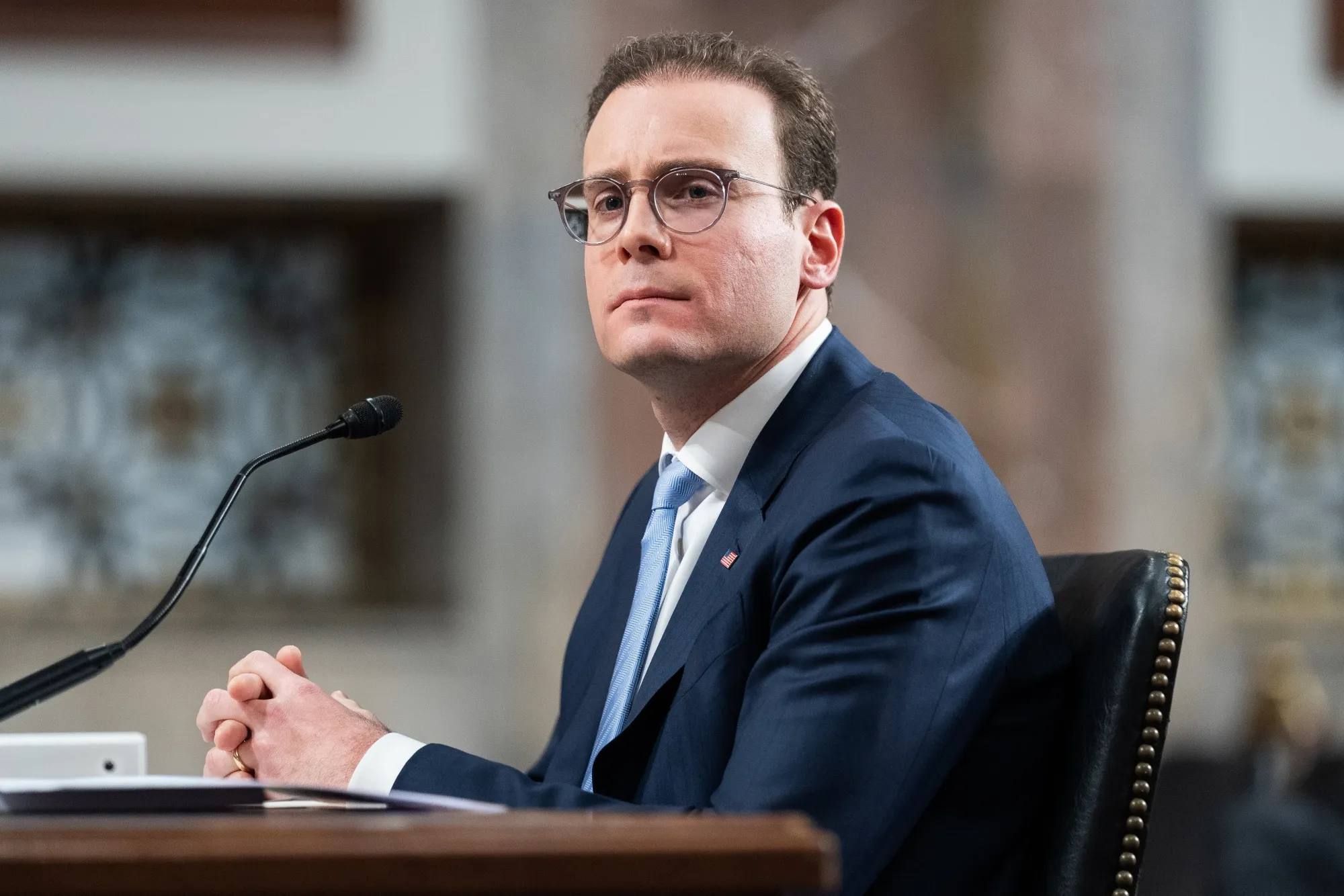
The agency also defended the use of funding rates, which critics argued create excessive costs and incentivize harmful behavior. Selig countered that these rates ensure price alignment with spot markets, functioning similarly to the costs incurred when rolling traditional expiring contracts. These clarifications emerge as the commission solidifies its regulatory footprint, recently bolstering its data capabilities by appointing former SEC adviser Donald Battle as chief data innovation officer. While the CFTC navigates broader legislative debates over its jurisdiction, it continues to assert authority in emerging sectors, including recent legal challenges regarding prediction markets and event contracts.
Comments (0)
No comments yet. Be the first!